
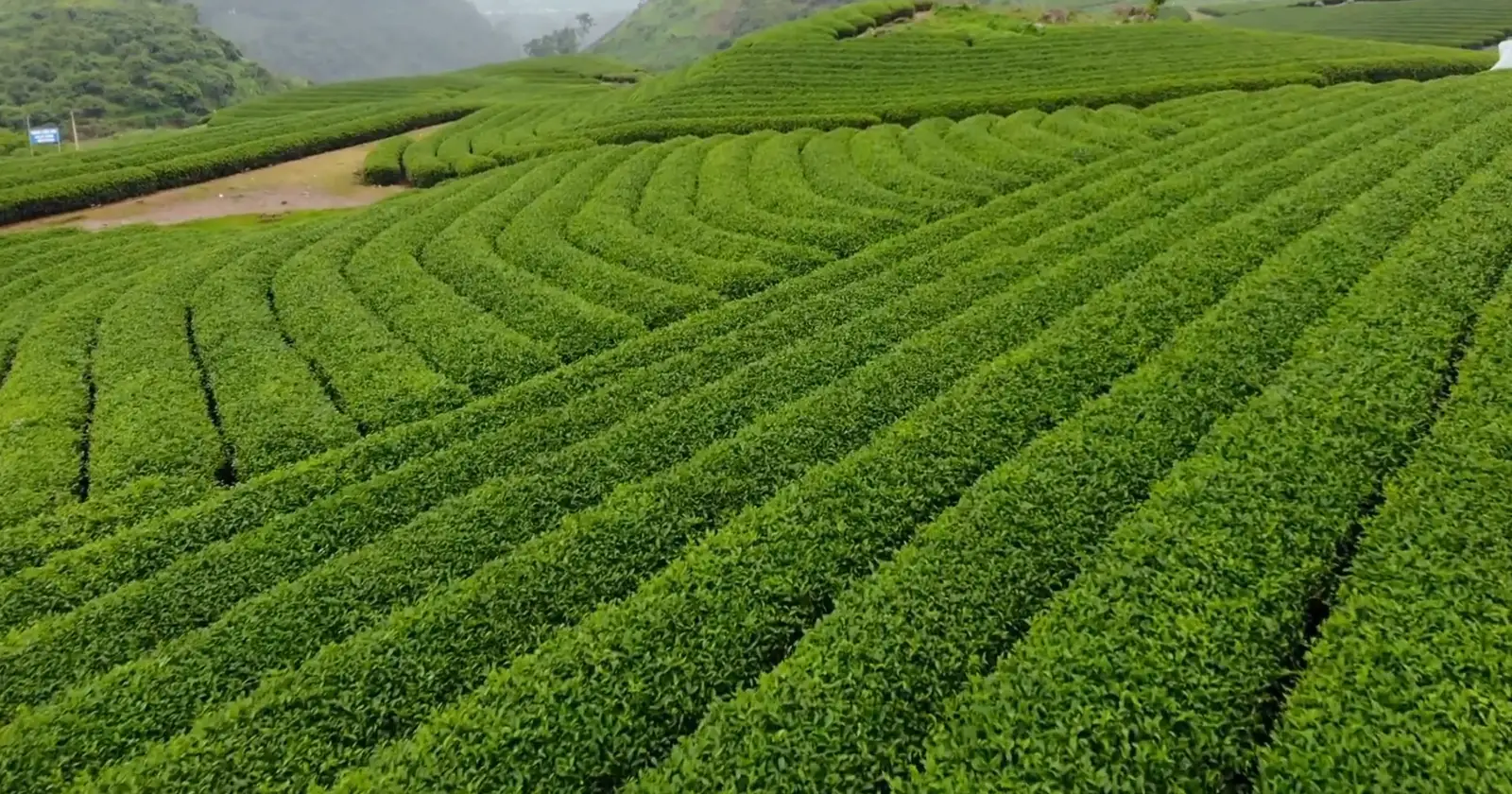
Source
Give us the grade, the origin and the profile. We buy it at the garden, across all six growing countries.
Learn moreSix countries, one growing region. We source, blend and ship tea that tastes of where it came from.
Take the whole chain or one link of it. Every step below is one we can run for you.
Give us the grade, the origin and the profile. We buy it at the garden, across all six growing countries.
Learn more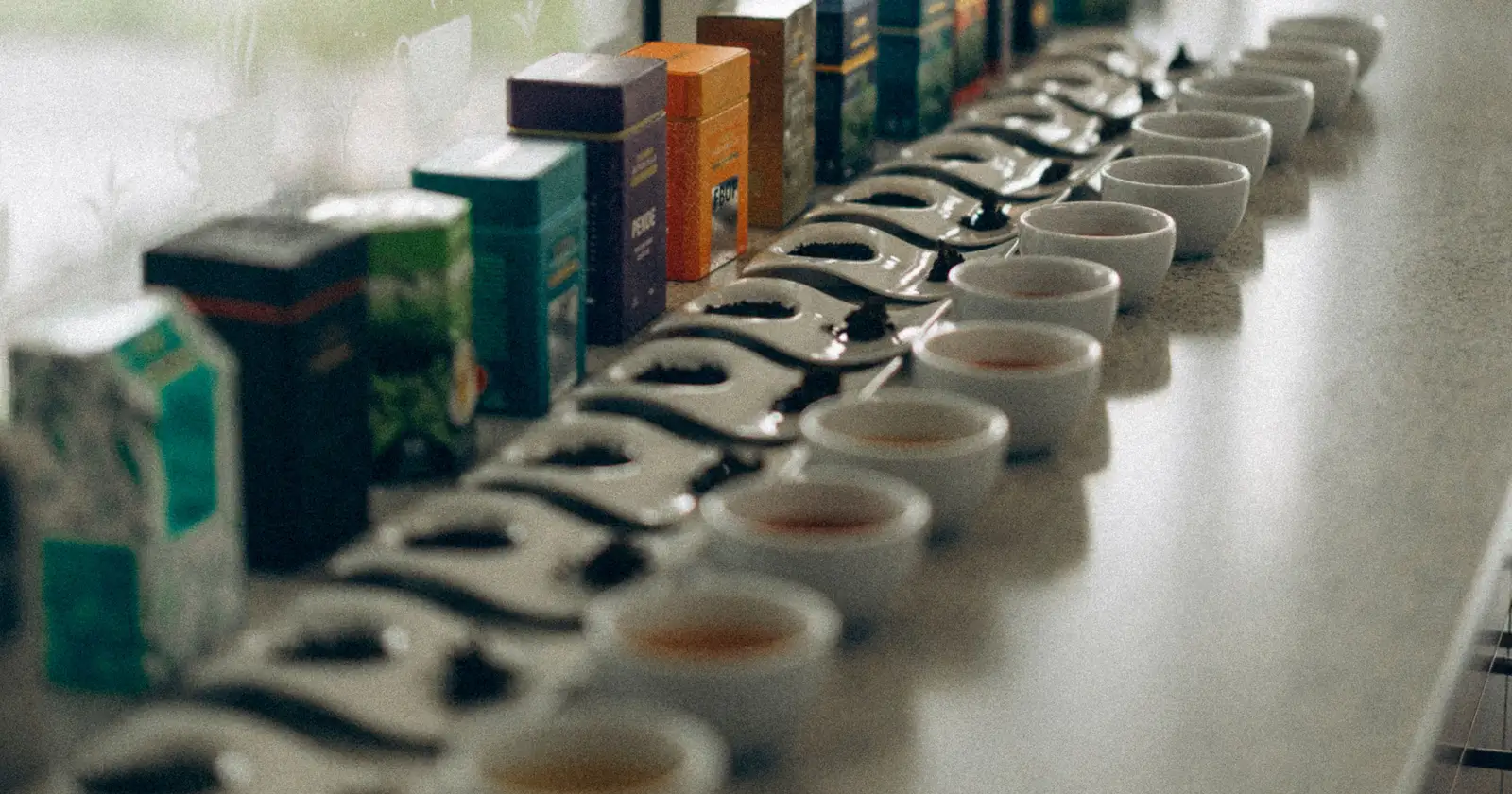
Send a sample to match or a brief to work from. We build the blend and hold it there, season after season.
Learn more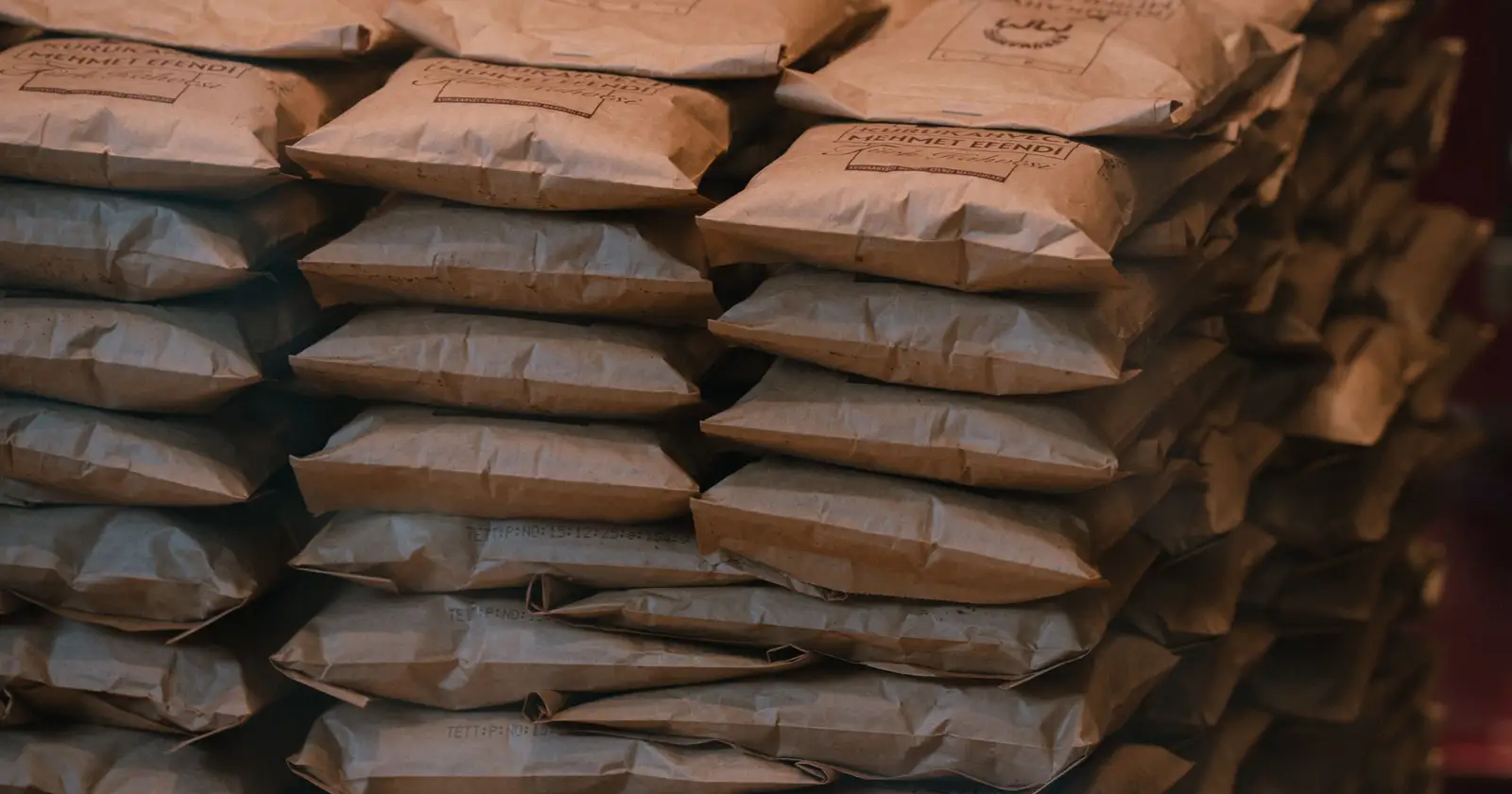
Loose, sacked, cartoned or retail-ready — packed to the format your order calls for, under your name or ours.
Learn more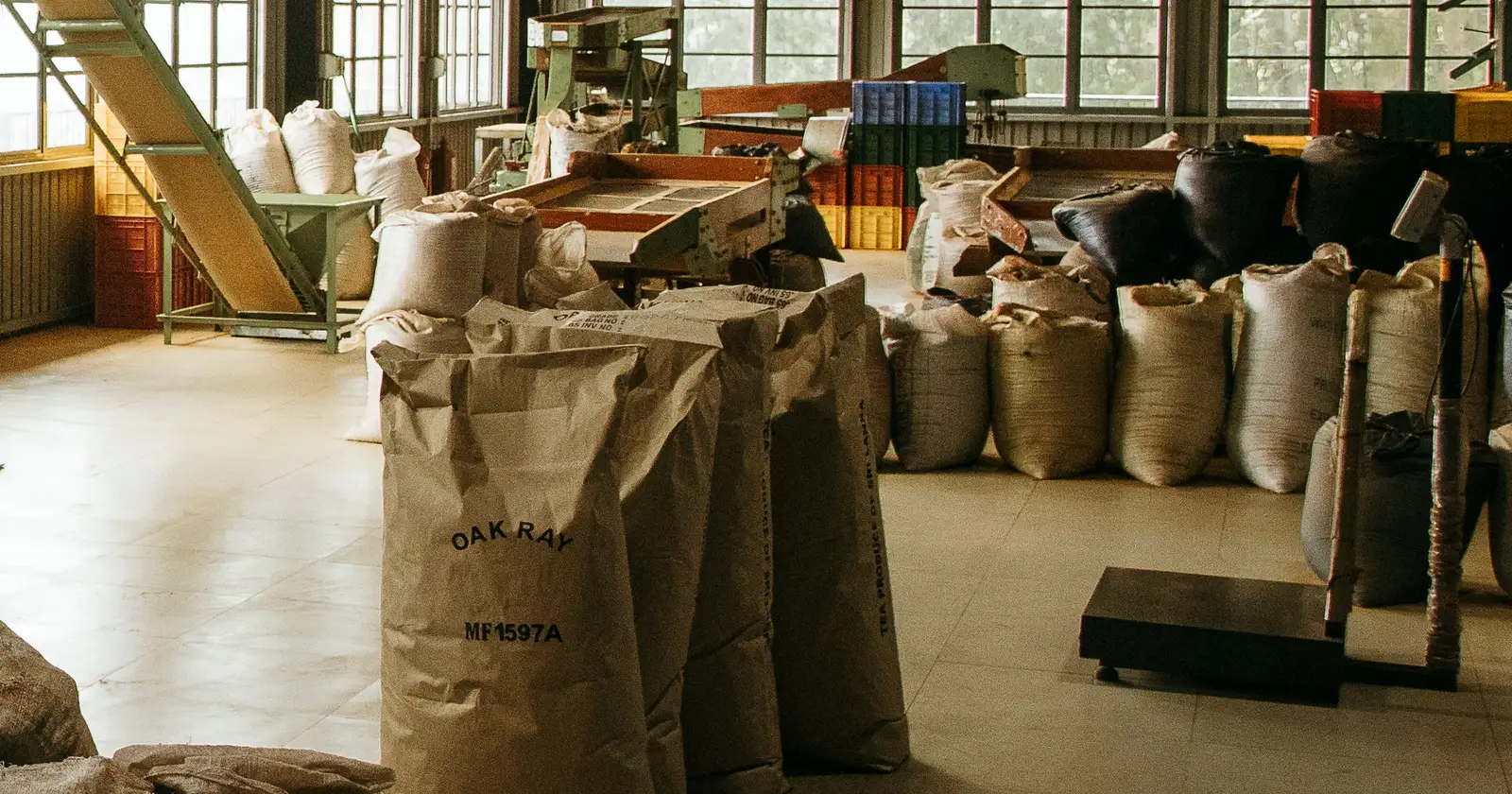
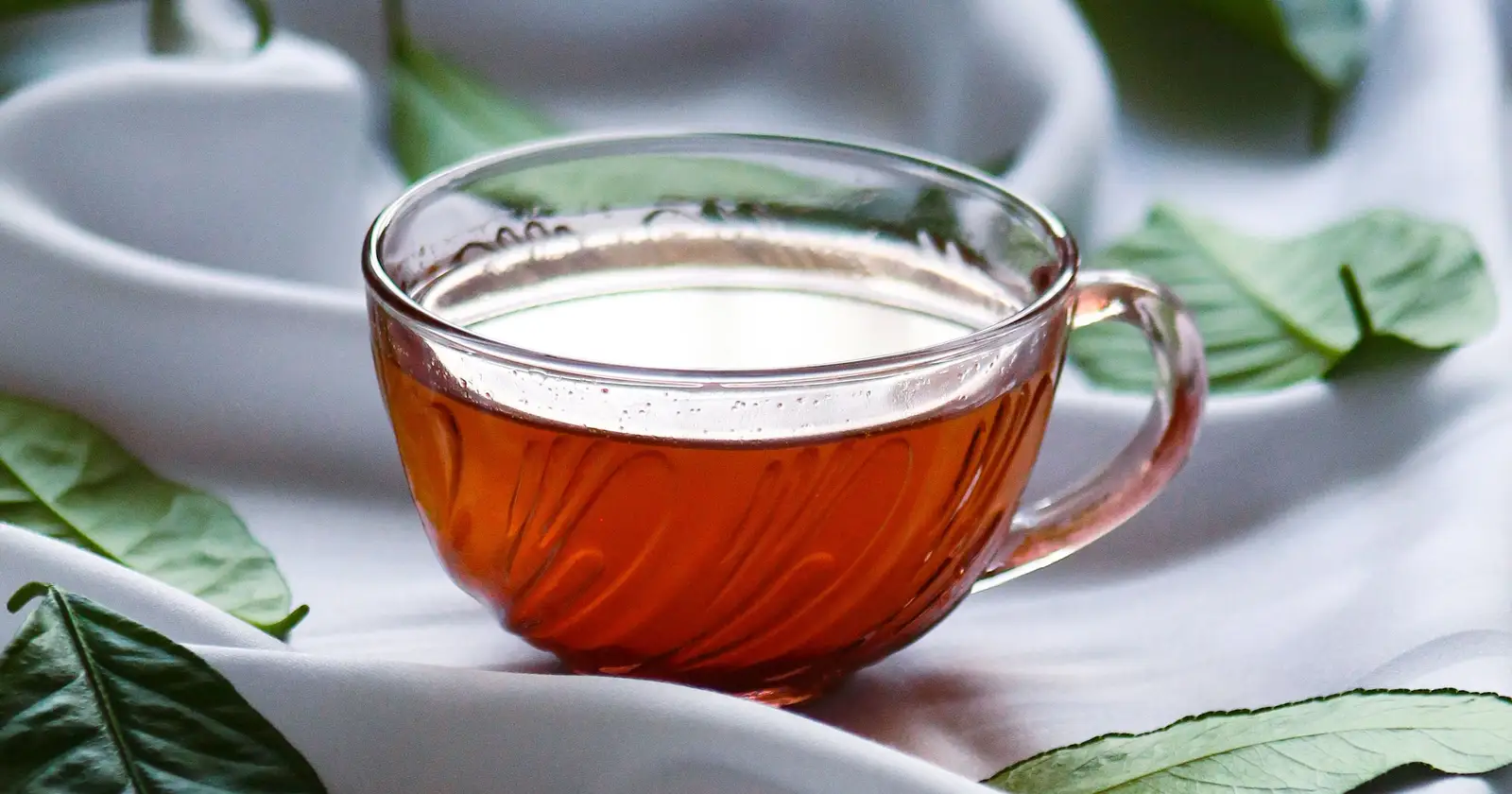
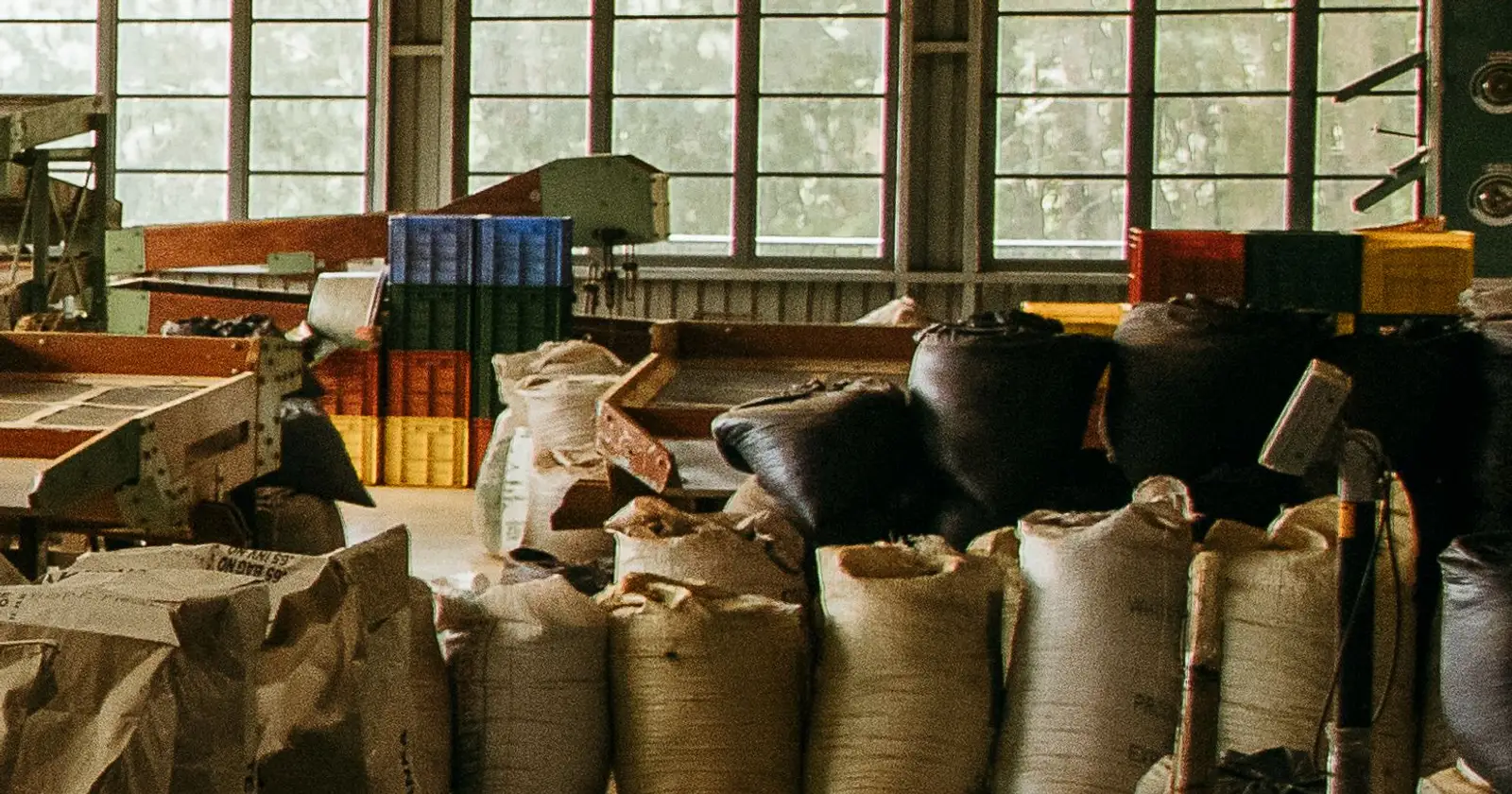
Four reasons, and what each one is worth to the tea you buy.
We buy from the highlands of six countries, so a hard season in one of them is our problem to solve rather than yours. You get the grade you signed for, in the volume you planned, in the month you need it.
What it gives you
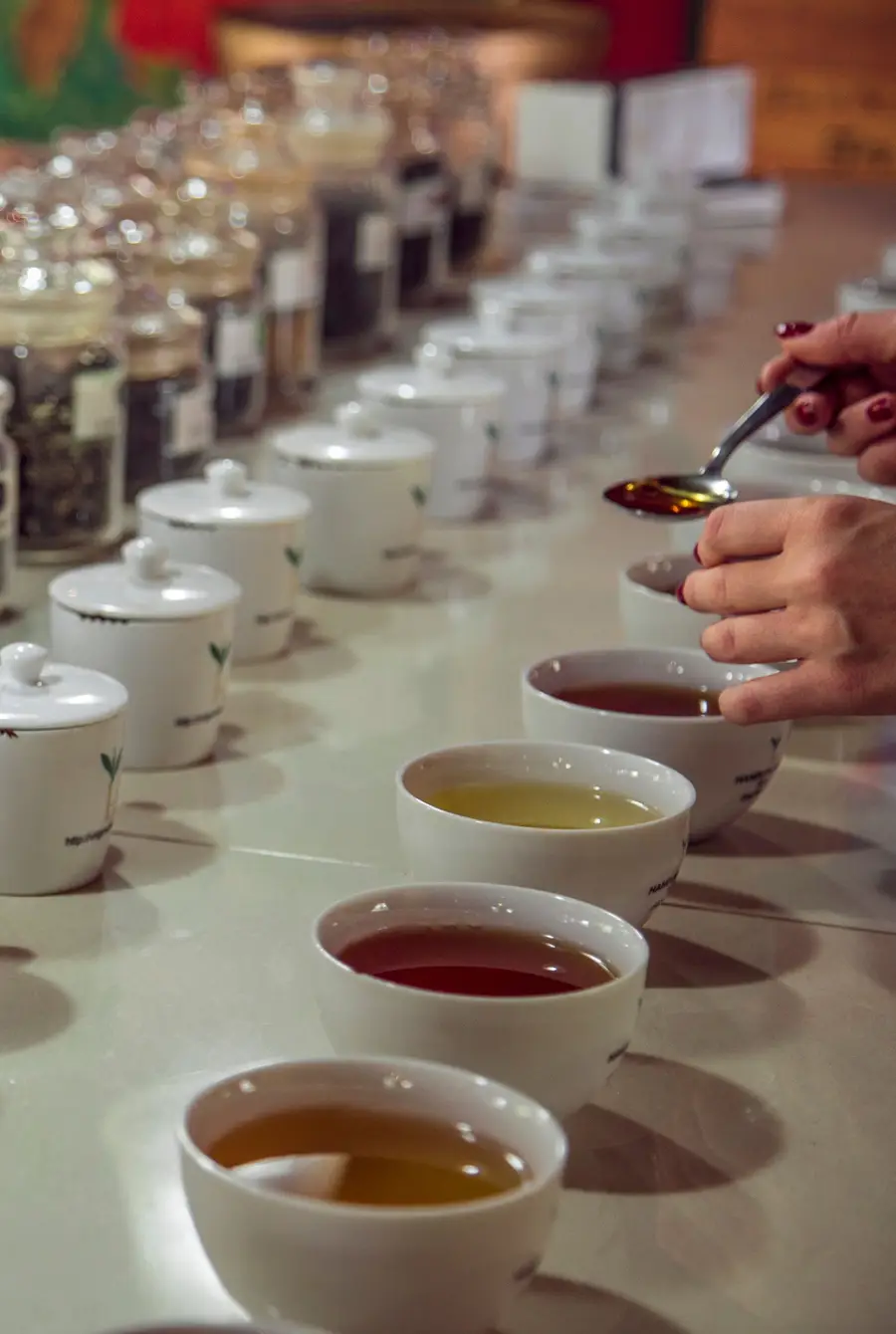
The same leaf becomes two different teas depending on who plucked, withered and fired it. We work with growers, tasters and blenders we know by name and go back to them, so the sample you approve is the tea that lands at your port.
What it gives you
Kenyan tea reaches ninety-six countries, and our partners already run those routes. Your order goes out on one of them — cleared, documented and delivered to your port, rather than left on an auction floor for somebody else to collect.
What it gives you
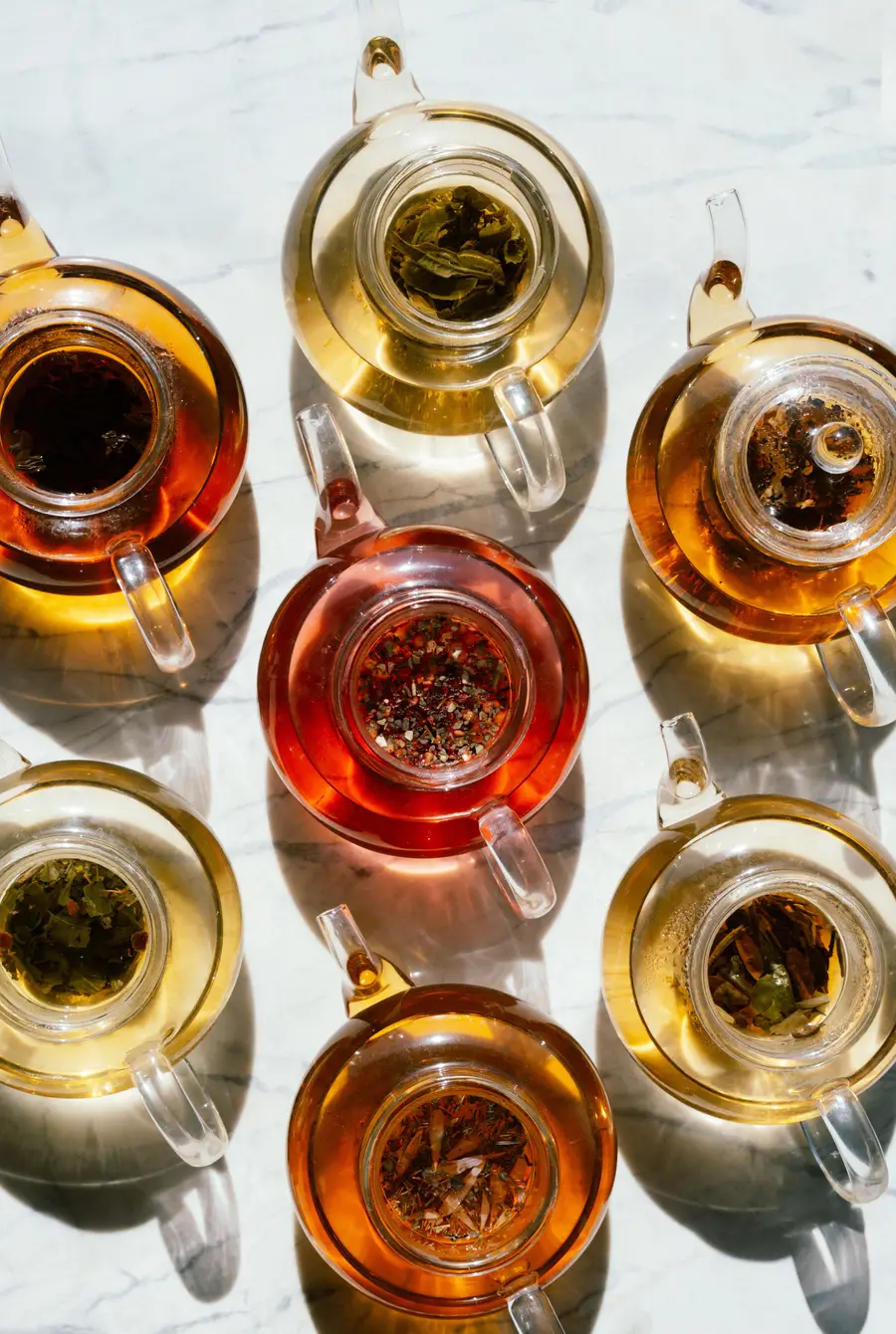
Black, green, white, purple, yellow — whatever your range asks for, on one contract and held to one standard. Adding a line should not mean approving a new counterparty. Purple is the one to ask us about: a Kenyan cultivar you will struggle to buy anywhere else.
What it gives you
Nearly all the tea that leaves East Africa ends up in someone else's blend, under someone else's name. That is the trade, and it is the one we are built for.
You have a recipe to hold. We supply the component that holds it — the same grade, the same character, the same month next year. Send us the profile and we buy to it at the garden.
You have the customer and the shelf. We take it from garden to sealed pack under your name — sourced, blended, packed, shipped — so the first time you handle it is when it reaches your warehouse.
You know your market. We handle everything upstream of the ship: district, grade, documentation, freight. The tea reaches your port ready to move.
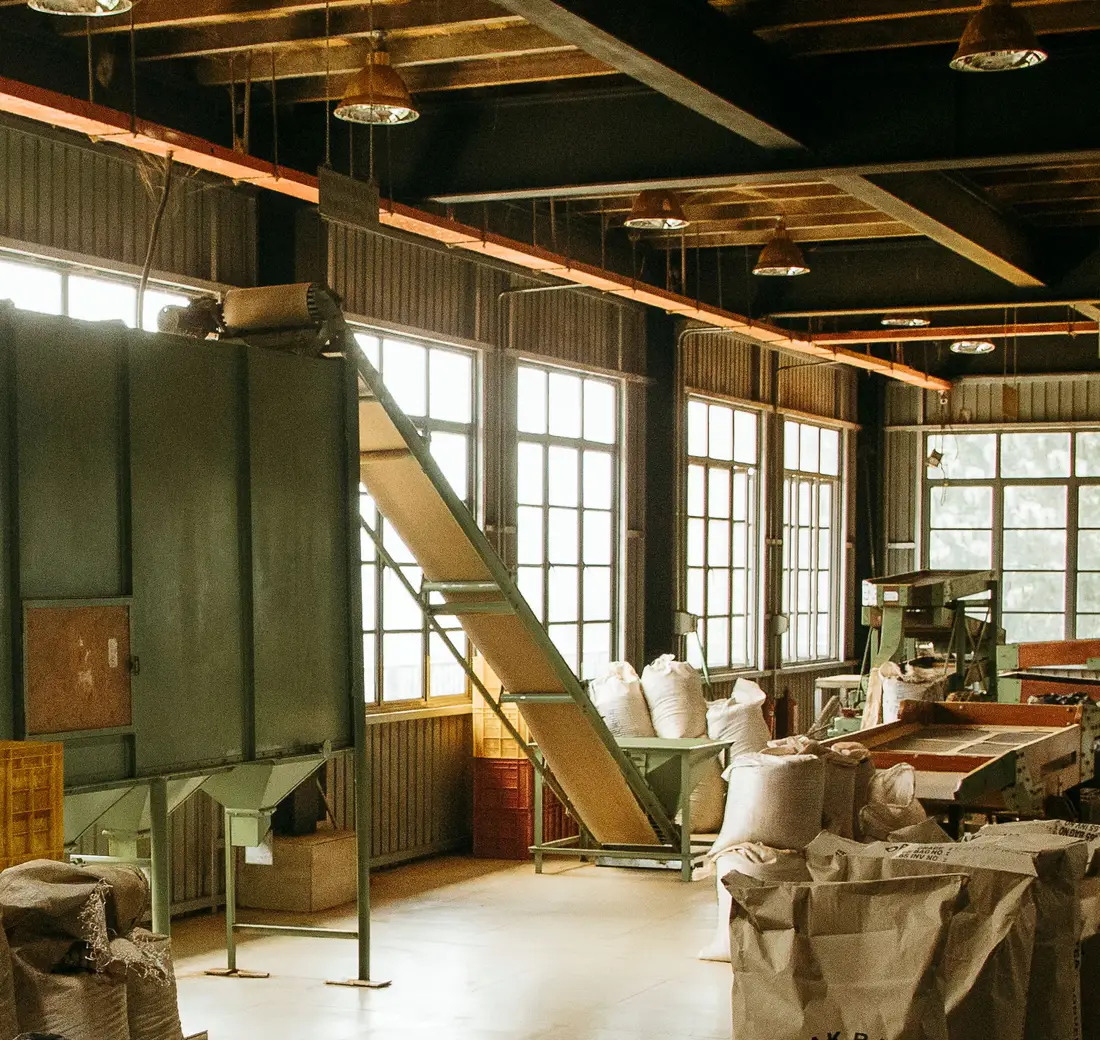
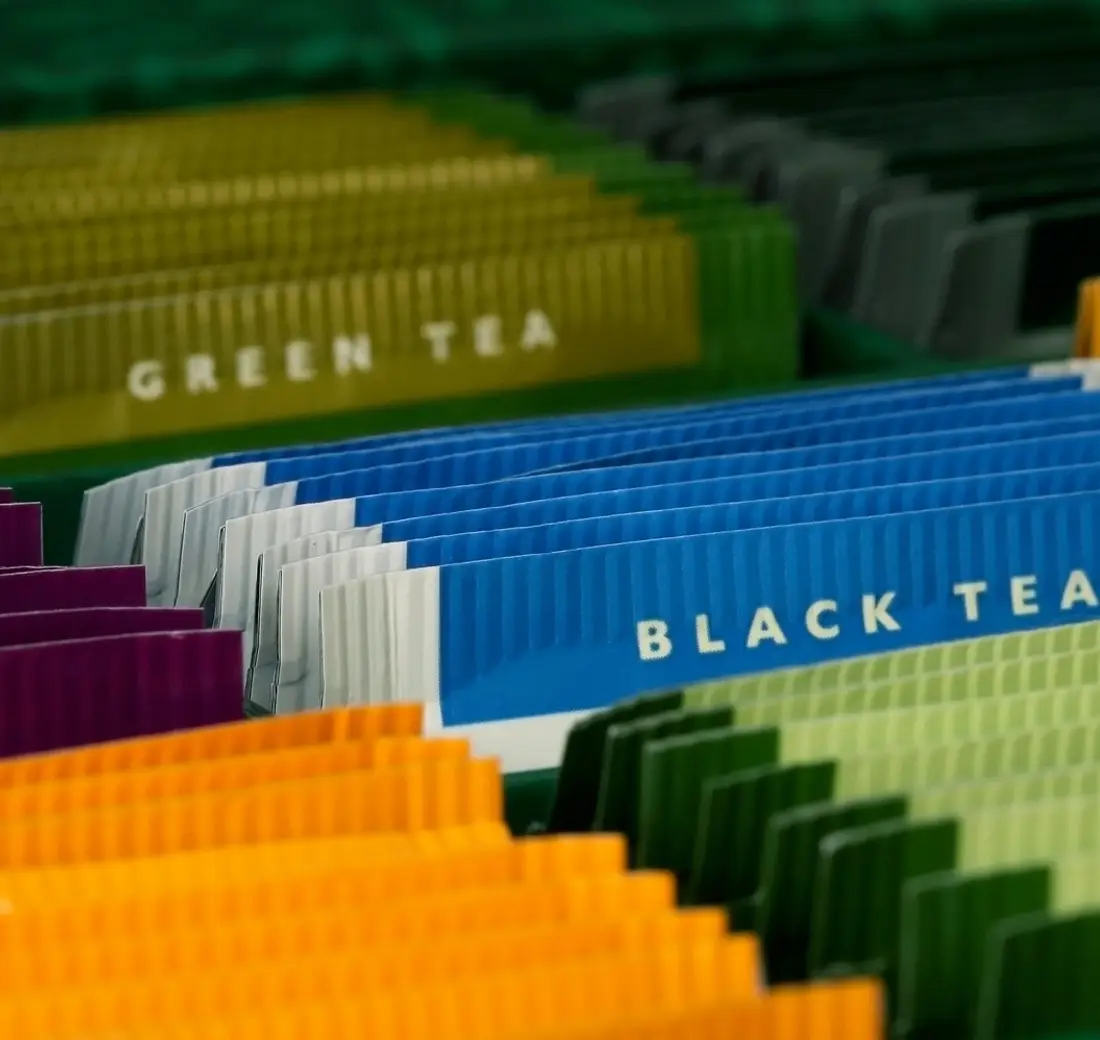
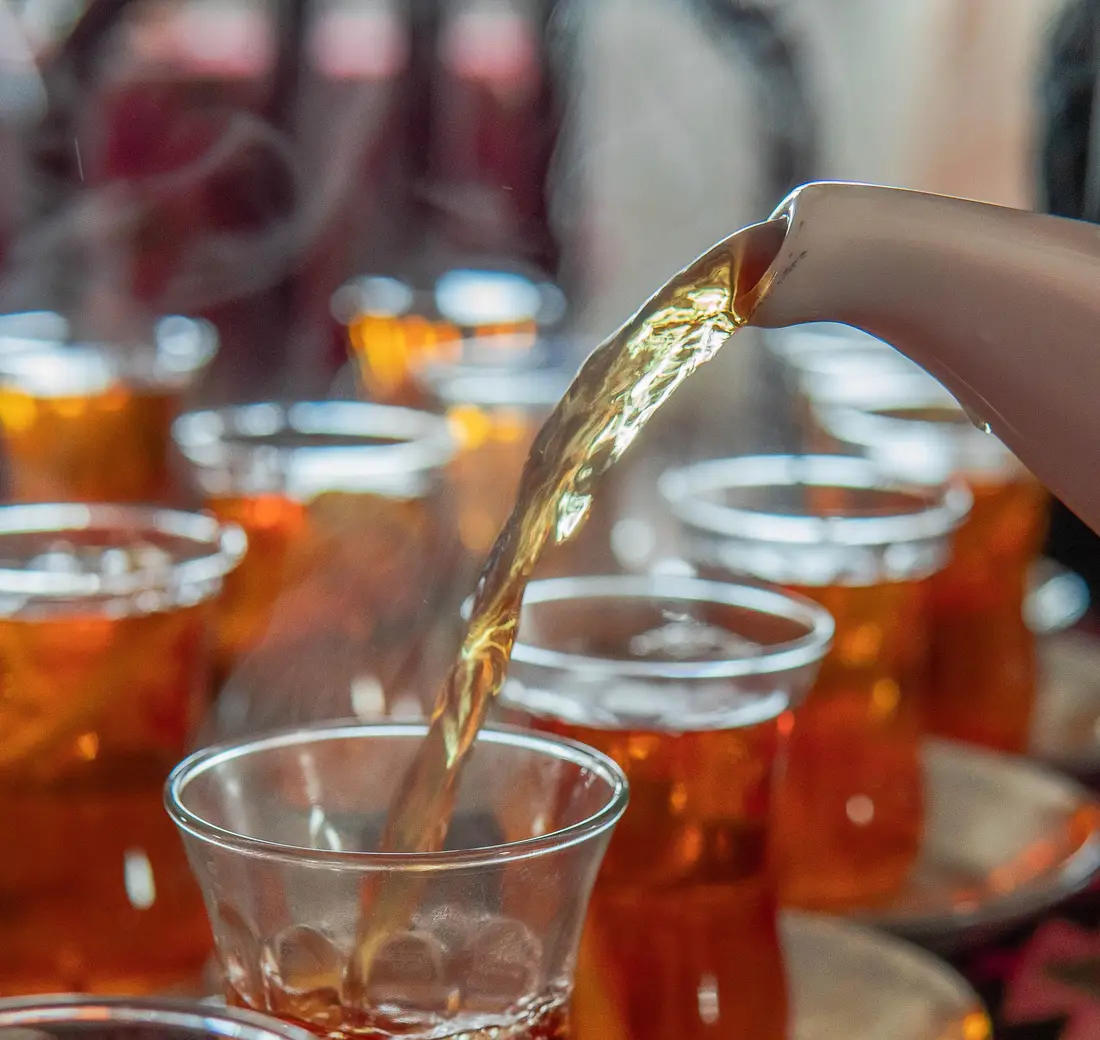
We are trusted by our partners because we deliver consistent quality and reliable service.
We are a frequent buyer of Dorsa premium tea. Our main concern was that the quality would drop after the first few shipments. It has not — the team have held the blend we selected exactly where we chose it. — L. Ondo, Libreville, Gabon




The most responsive supplier we have ever had the pleasure of working with. It was our first time working with them, and we will definitely be working with them again. — X. Chen, Shanghai, China
Highlands across six countries — Kenya, Uganda, Rwanda, Burundi, Tanzania and Malawi. Most of it is grown high: Kenya between 1,500 and 2,700 metres, Burundi's Congo–Nile ridge between 1,700 and 2,500. Malawi is the exception, and its claim is age rather than altitude — commercial planting began near Blantyre in 1878, the first in Africa.
Send us the profile, or send us the tea. We buy to it at the garden rather than trying to correct it afterwards, which is the only way a blend holds its character from one season to the next.
That is the whole job. The same leaf becomes two different teas depending on who plucked, withered and fired it, so we work with growers and tasters we know by name and go back to them. Faults get caught at origin rather than at your port.
It becomes our problem rather than yours. Buying across six countries is what lets us hold a grade steady when one of them is short, on one contract instead of six.
Black, green, white and purple. Purple is the one to ask about — a Kenyan cultivar grown almost nowhere else, which is hard to buy anywhere but here.
Delivered to your port, not left on an auction floor for somebody else to collect. Documentation is handled at origin and the tea moves on routes our partners already run, so there is one counterparty from garden to warehouse.
Tell us three things: the grade, the volume and the port you want it at. We come back with what we can do, you approve a sample, and we buy to it. If the volume is too small to ship economically we will say so rather than quote you something that does not work.
Talk to us. Tell us the grade, the volume and the port you want it at — whichever button you pick opens with those three lines already in it.